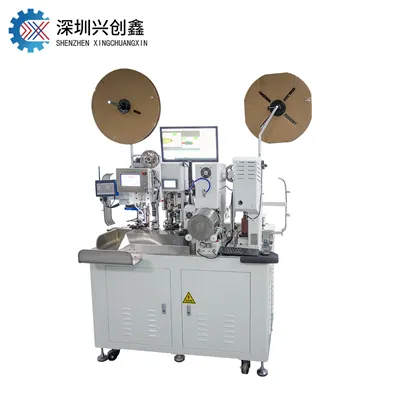
Vertical injection molding machine is a mechanical production equipment with high investment, large scale, high consumption, and high output. It is inevitable to encounter some faults during use. Today, the editor will analyze how to handle the abnormal action of the ejector pin in a vertical injection molding machine?
We can check and eliminate faults one by one from the following reasons:
1. Check if the resistance value of the solenoid coil is normal. Generally, there is a possibility of internal wire breakage or burning of the coil. Then the electromagnetic coil needs to be replaced.
2. There is a foreign object stuck in the reversing valve core, which usually comes from sealing parts or metal parts in the oil circuit that are aged or damaged, and enters the valve. This requires disassembly and cleaning.
3. Damaged seals in the ejector pin cylinder can also cause oil leakage or piston rod breakage, which can cause abnormal ejector pin action.
4. Check if the limit switch next to the ejector pin cylinder is in good condition.
5. Firstly, the motor oil pump can be started, and in manual mode, the front and back movements of the injection table or the injection and melting movements can be carried out. If these movements can be carried out normally, it can be verified that the injection molding machine oil pump, proportional pressure valve, proportional speed valve, and related circuits are normal.
6. Check again whether the parameters of the ejector pin action are set correctly, such as ejector pin pressure, speed, position, and frequency. Press the ejector pin action to check if there is an electrical signal on the solenoid coil of the ejector pin directional valve. Generally, the solenoid coils of each directional valve use DC 24
Volt voltage, and a very small portion of old machine electromagnetic directional valves are controlled by AC 220V voltage.
If there is no voltage signal, it is possible that two signal wires are disconnected and faulty. Check if there is voltage output at the output port of the l/O electronic board. If not, continue to check if the power amplifier transistor or intermediate relay at the output end is in good condition.