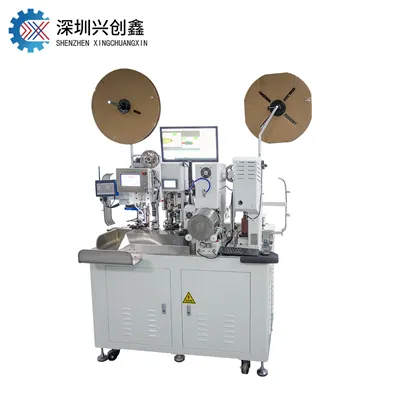
A popular technique for establishing a trustworthy electrical connection between a wire and a termination or connector is to crimp the wires. The following are the main causes of crimping wires:
Secure Connection: Crimping mechanically compresses the terminal around the wire, creating a strong and secure connection. This ensures that the wire is firmly attached to the terminal, reducing the risk of accidental disconnection due to vibrations or movement.
Electrical Conductivity: Properly crimped connections provide excellent electrical conductivity by maintaining continuous contact between the wire and the terminal. This minimizes resistance and ensures efficient electrical flow without the risk of intermittent connections.
Durability: Crimped connections are more durable compared to other methods like soldering or wire twisting. The mechanical bond formed during crimping is resistant to pull-out forces and can withstand environmental factors like temperature fluctuations and moisture.
Consistency and Standardization: Crimping allows for consistent and repeatable connections, which is crucial in mass production settings where uniformity and reliability are required across numerous wire terminations.
Cost-Effectiveness: Crimping can be more cost-effective than soldering for large-scale production because it requires less labor and equipment. It also eliminates the need for flux, solder, and heating tools associated with soldering.
Time Efficiency: Crimping is a relatively quick process, especially with automated crimping machines, which can significantly reduce assembly time and increase overall production efficiency.
Compliance with Standards: Many industries have specific standards and regulations governing wire terminations. Crimping ensures compliance with these standards, providing assurance of quality and safety in electrical connections.


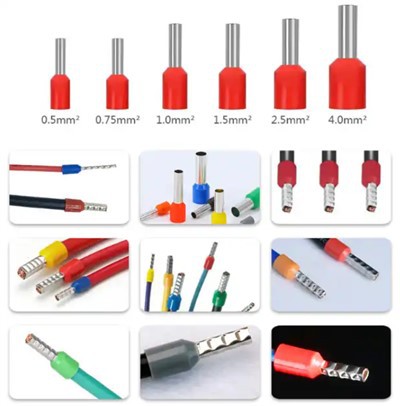

When it comes to generating electrical connections that are necessary for a variety of applications in the automotive, aerospace, electronics, telecommunications, and other industries, crimping wires are generally the favored method due to their dependability, durability, and efficiency.