Introduction
In wire harness manufacturing, many customers wonder whether they need to tin the crimped connection between wire and terminal. Tinning is a common but critical process for high-reliability wiring assemblies, widely used in automotive, new energy, industrial control and electronic equipment. Proper tinning greatly improves the stability and service life of wire connections.
Main Benefits of Tinning Terminals
Prevent Copper Strands from Fraying Stranded wires consist of dozens of tiny copper filaments. After crimping, individual thin copper wires may spring loose. Tinning melts solder to bind all copper strands into a solid whole. It eliminates the risk of stray copper strands touching adjacent circuits and causing short circuits.
Lower Contact Resistance & Reduce Heat Generation Crimping only creates mechanical compression. Tiny gaps still exist between copper wires. Molten solder fills these gaps and expands the conductive contact area. This reduces contact resistance, minimizing heat buildup when carrying electric current. This feature is especially important for high-current harnesses for new energy devices.
Anti-Oxidation and Anti-Corrosion Protection Bare copper oxidizes quickly in humid air, forming black oxide that increases resistance. A thin tin layer covers exposed copper, isolating it from oxygen and moisture. The connection stays stable even under humid or harsh working environments.
Enhance Vibration and Pull Resistance Industrial and automotive equipment faces continuous vibration during operation. A pure mechanical crimp joint may gradually loosen over time. After tinning, solder locks wire and terminal together, strengthening the joint to resist vibration and tensile force and avoid unexpected wire breakage.
Ensure Stable Plug-and-Unplug Performance For connector terminals, tinning keeps copper strands fixed. It prevents loose wires during repeated plugging and unplugging, maintaining consistent electrical performance.
Important Notes
Tinning brings great reliability, but it also has limitations. After soldering, the wire joint becomes rigid and loses flexibility. Some automotive industry standards forbid tinning crimped terminals, and only pure crimping is accepted. Always follow your customer's drawing and specification requirements.
Conclusion
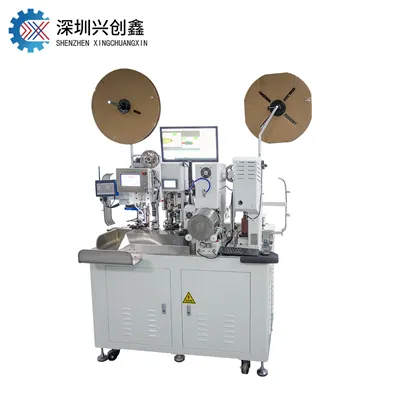
Tinning is an extra processing step to boost the safety and reliability of wire harness connections. Our automatic tin dipping machines help manufacturers complete terminal tinning efficiently with consistent solder thickness for mass harness production.