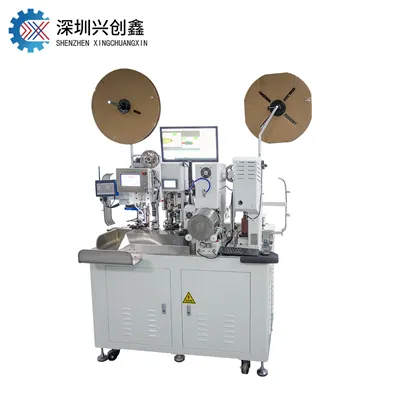
At the ICH 2026 Wire Harness Exhibition in Shenzhen, wire harness processing equipment has evolved beyond stand-alone automation for simple wire cutting and crimping. Innovation centers on three core directions: high-voltage & high-speed precision processing, flexible digital manufacturing, and lightweight special processes. Domestic equipment has made remarkable breakthroughs in processing accuracy and integrated production lines, catering to mass production demands for new energy vehicle wiring harnesses, automotive Ethernet cables, and AI server harnesses.
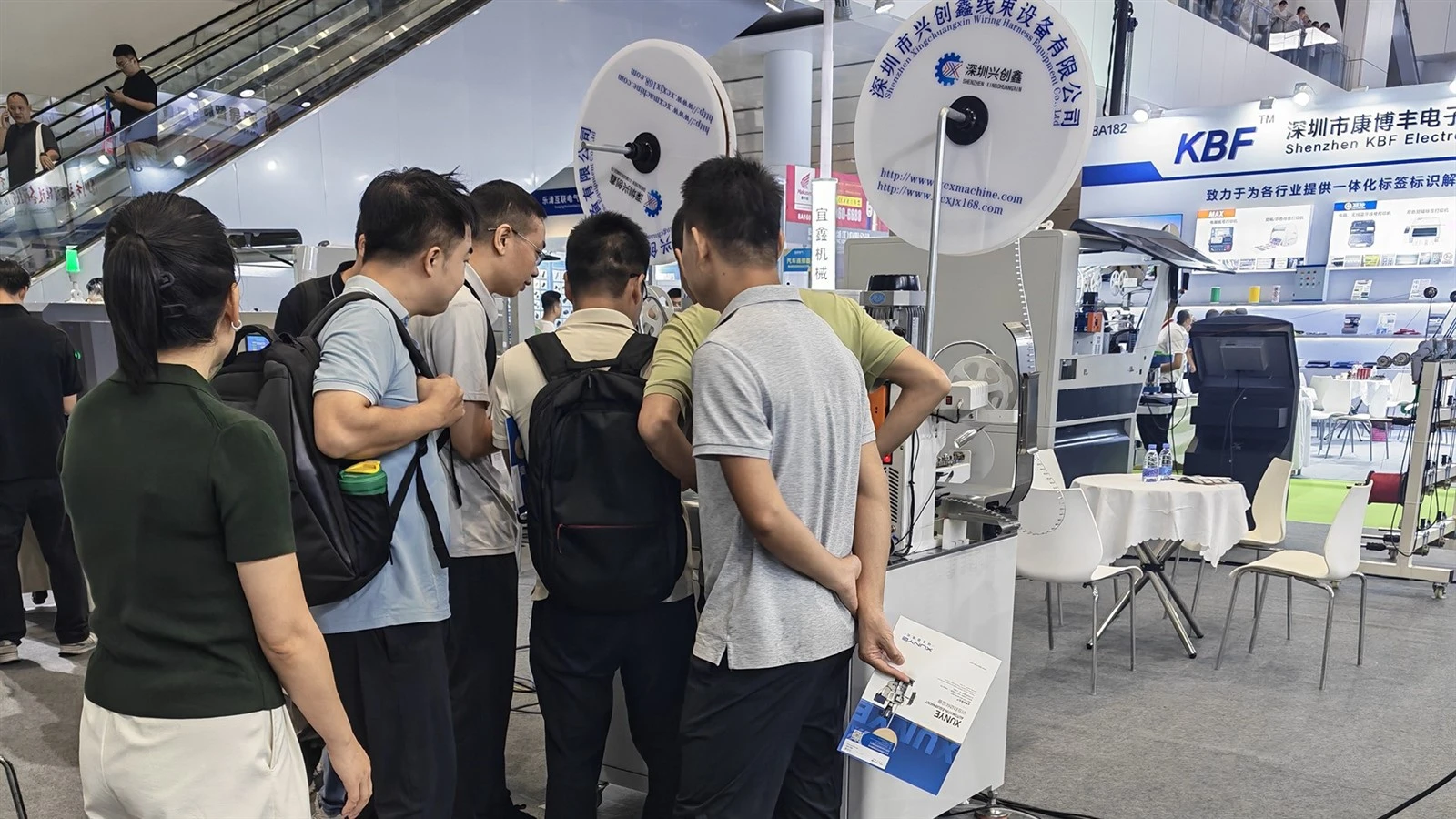
1. Precision Processing Equipment for High-Voltage & High-Speed Harnesses: Integrated Accuracy, Insulation and EMC Performance
The biggest highlight at the exhibition is the shift of equipment from conventional low-voltage harnesses to dedicated solutions for 800V high-voltage harnesses and FAKRA high-speed differential cables for automotive Ethernet.
High-voltage harness equipment: Upgraded ultrasonic welding machines support welding of large-cross-section high-voltage copper and aluminum terminals, featuring real-time closed-loop monitoring of welding force and displacement. Wire strippers adopt non-destructive stripping for insulation layers to prevent scratches on PTFE and fluoroplastic insulation, paired with inline withstand voltage and partial discharge inspection stations to meet safety requirements for high-voltage circuits in new energy vehicles.
High-speed differential harness equipment: For automotive Ethernet and server high-speed cables, equipment focuses on controlling twist pitch and impedance consistency, as well as shielding treatment. All-in-one automatic cutting, shield stripping, forming and crimping machines, combined with inline impedance and return loss testing, keep impedance deviation within ±10%, addressing consistency challenges in mass production of ADAS and computing server high-speed harnesses.
Core change: Equipment performs electrical performance testing inline rather than only shaping the cables.
2. Flexible Digital Manufacturing Lines: AI Vision + Plant-wide Logistics + Full-lot Traceability to Address Multi-variant & Small-batch Pain Points
Traditional harness production lines suffer from cumbersome part number changeovers, heavy manual wiring and difficult quality traceability. Exhibitors showcased integrated flexible production line solutions combining hardware and software:
Standalone machines: Terminals crimpers and housing insertion machines integrate full AI visual inspection, automatically detecting crimp cross-section, terminal height, missing pins and misinsertion with significantly improved defect detection rates. Real-time crimp force curves are stored.
Workshop logistics: Collaborative "overhead + ground" modes combining overhead hanging production lines, AMR autonomous mobile robots and intelligent vertical warehouses were demonstrated at the show. This saves floor space and automatically delivers wires, terminals and housings to cut material waiting time, adapting to frequent production changeovers.
Digital layer: Equipment connects to MES systems to enable one-item-one-code full-process traceability for each harness. Data including wire batch, crimp parameters, operator records and test results are all archived to satisfy traceability requirements of automotive standard IATF16949.
Core change: Upgraded from single-machine automation to closed-loop workshop-level digitalization, with greatly mature domestic flexible turnkey line solutions.
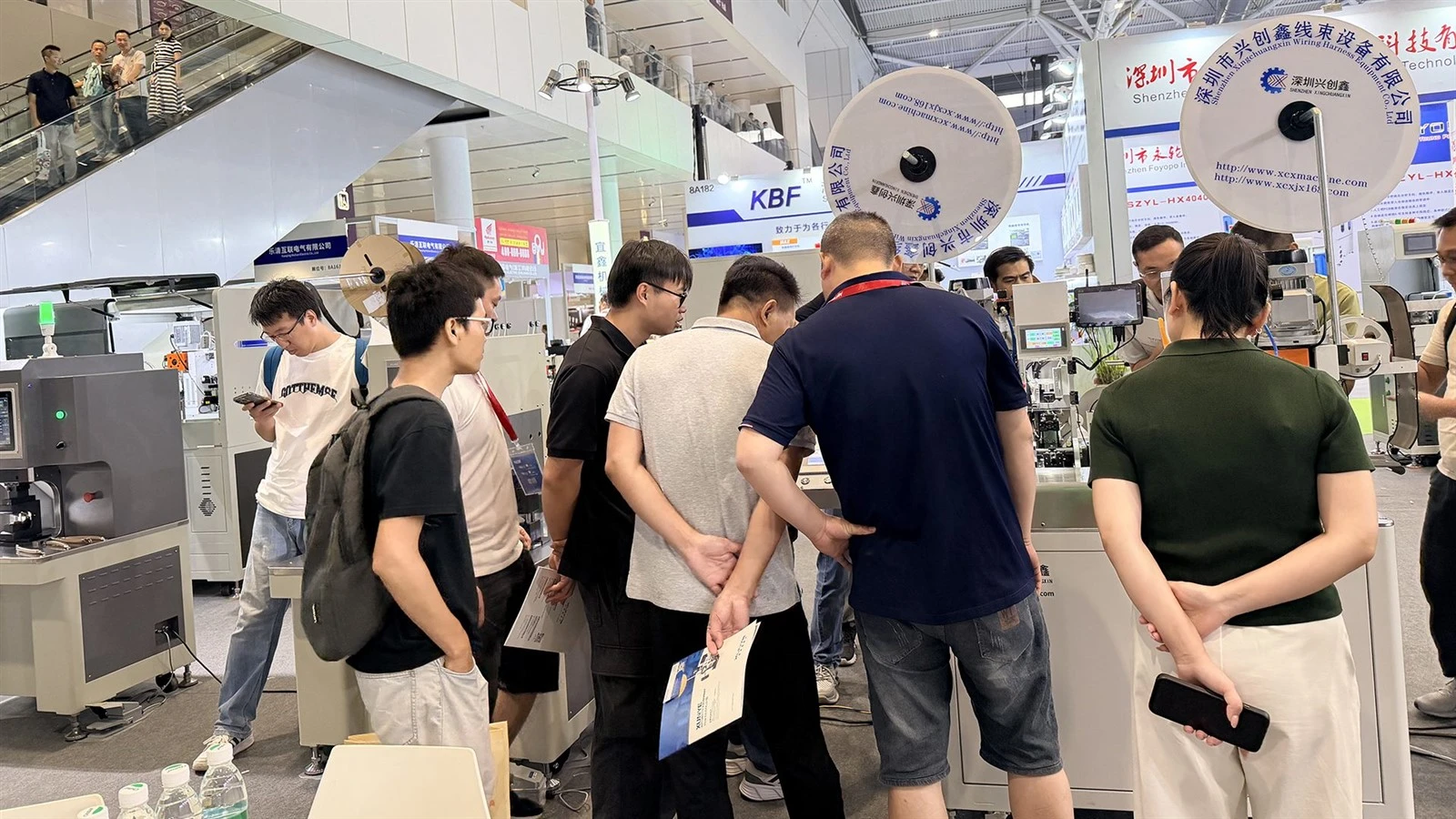
3. Lightweight Special Process Equipment: Commercialized Processing Capacity for Aluminum Wires & Copper-Aluminum Composite Harnesses
New energy vehicles keep pursuing harness weight reduction, driving commercialization of equipment for aluminum wires and copper-aluminum transition connections, a major growth segment in the equipment sector this year.
Dedicated aluminum wire processing equipment: Aluminum features poor ductility and high oxidation tendency. Ordinary terminal crimpers easily cause fractures. New crimping and stripping machines at the exhibition optimize cutting tools and crimp dies for aluminum alloy conductors to resolve aluminum wire crimp cracking.
Copper-aluminum welding equipment: Ultrasonic welding and cold pressure welding machines were widely displayed, focusing on mitigating galvanic corrosion and electrochemical corrosion at dissimilar copper-aluminum joints, supporting mass adoption of "aluminum replacing copper" harnesses. A single vehicle harness can achieve weight reduction at the 10kg level and cut copper material costs.
Auxiliary supporting equipment: Nano-coating and surface passivation stations are also available to improve long-term reliability of copper-aluminum bonding areas.
Core change: Lightweighting is no longer a topic exclusive to material suppliers; wire harness processing equipment now delivers viable mass-production capabilities.
Summary
Overall, the evolution logic of harness equipment at this year's ICH show is clear:
Energy segment: High-voltage harness equipment serving 800V platforms;
Data segment: High-speed precision harness equipment for autonomous driving and AI servers;
Manufacturing segment: Flexible digital factories to guarantee quality and delivery for multi-variant automotive harnesses;
Material segment: Aluminum wire / copper-aluminum composite process equipment enabling lightweighting and cost reduction.