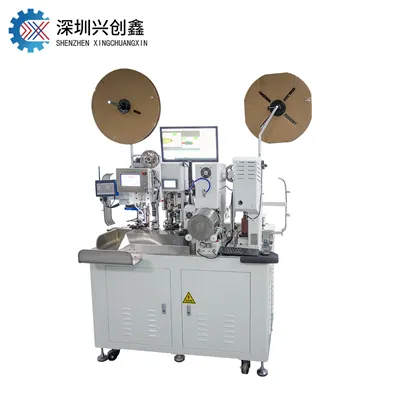
Precision and Consistency: Soldering machines offer precise control over the soldering process, ensuring consistency in the amount of solder applied and the temperature used. This leads to reliable and uniform solder joints, reducing the likelihood of defects in electronic components.
Time Efficiency: Automated soldering machines can work at a faster pace compared to manual soldering. This results in increased productivity and faster assembly of electronic components, contributing to overall time efficiency in manufacturing processes.
Reduced Human Error: Automation minimizes the impact of human error in the soldering process. Machines follow programmed instructions precisely, reducing the risk of mistakes that can occur with manual soldering. This leads to improved product quality and reliability.
Adaptability and Programmability: Soldering machines can be programmed to accommodate various soldering requirements and specifications. This adaptability allows manufacturers to use the same machine for different projects, making it a versatile and cost-effective solution for a range of soldering applications.
Safety and Ergonomics: Automated soldering machines contribute to a safer working environment by minimizing the exposure of operators to potentially harmful substances, such as solder fumes. Additionally, these machines are designed with ergonomics in mind, reducing the physical strain on workers and promoting a healthier and more comfortable workplace.
T
hese advantages collectively make soldering machines valuable tools in electronic manufacturing, offering improved efficiency, quality, and safety in the soldering process.